IPPF 2025 Colloquium, Tokyo — A Return to Global Leadership in Penal and Penitentiary Reform
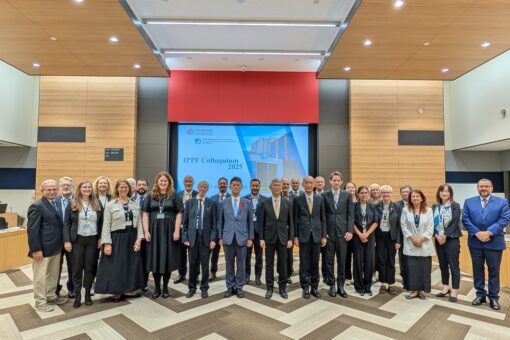
Theme: Reducing Reoffending—in particular by promoting the United Nations Model Strategies on Reducing Reoffending
7–10 October 2025 | UNAFEI Headquarters, Akishima City, Tokyo, Japan
The International Penal and Penitentiary Foundation (IPPF) was honoured to convene its 2025 Colloquium in Tokyo from 7–10 October, generously hosted by the United Nations Asia and Far East Institute for the Prevention of Crime and the Treatment of Offenders (UNAFEI) and the Ministry of Justice of Japan.
This Colloquium marked a significant moment for the IPPF: a return to convening international expert dialogue on the most pressing issues in crime prevention, penal reform, and the treatment of offenders drawing on its global network of experts. With participants from across the world—including scholars, policymakers, practitioners—the Colloquium fostered four days of intensive discussion, high-level input, and shared commitment to improving global approaches to rehabilitation and reintegration.
A Warm Welcome and High-Level Engagement
Participants were welcomed by State Minister of Justice Masahiro Komura, who highlighted Japan’s longstanding contribution to the field of criminal justice and the global significance of the forthcoming adoption of the United Nations Model Strategies on Reducing Reoffending (the Kyoto Model Strategies).
Keynotes were delivered by:
- Prof. Stephen Shute, President of the IPPF
- Benedikt Hofmann, UNODC Deputy Regional Representative for Southeast Asia and the Pacific
- Jo Dedeyne-Amann, Chief, Secretariat to the Governing Bodies, UNODC
- Yoshimitsu Yamauchi, Director of UNAFEI
Rich Discussions Structured Around Three Core Subthemes
- (a) Rehabilitation and Social Reintegration Support in Correctional Facilities. Led by Motonari Yoshihiro, Director of the Prison Service Division, this session examined approaches to rehabilitation in custodial settings and identified good practices aligned with the Kyoto Model Strategies.
- (b) Rehabilitation in the Community and Non-Custodial Measures. Introduced by Dr Satoshi Katsuta, this session focused on strengthening probation, parole, and community-based support systems.
- (c) Partnerships, Community Engagement, Capacity-Building and Sustainability. With an expert address from Prof. Shoji Imafuku, this forward-looking session explored the role of community volunteers, multi-sectoral cooperation, and sustainable reintegration.
Site Visits Offering Deep Insight into Japanese Practice
Delegates visited the Kitsuregawa Rehabilitation Programmes Centre and Step Oshiage, gaining practical exposure to Japanese innovations in correctional treatment, community reintegration, and volunteer-led support structures.
Strengthening IPPF’s Legacy and Future Work
The Colloquium reaffirmed the historic role of the IPPF in shaping international penal policy, including the origins of the United Nations Crime congresses. The discussions in Tokyo will contribute directly to IPPF’s engagement at the 15th UN Congress on crime prevention and criminal justice in Abu Dhabi in April 2026.
The event also marked a renewed commitment to the IPPF’s tradition of generating practical propositions to inform global policy.